Searching for bail bonds in Lancaster County means you need real answers, and you need them fast.
Our team supports families across the county by explaining how the bond process works, helping complete the necessary paperwork, and moving things forward the moment bond is set.
As a trusted Lancaster County bondsman, we aim to keep things as simple as possible while providing confidential, professional service at every step.
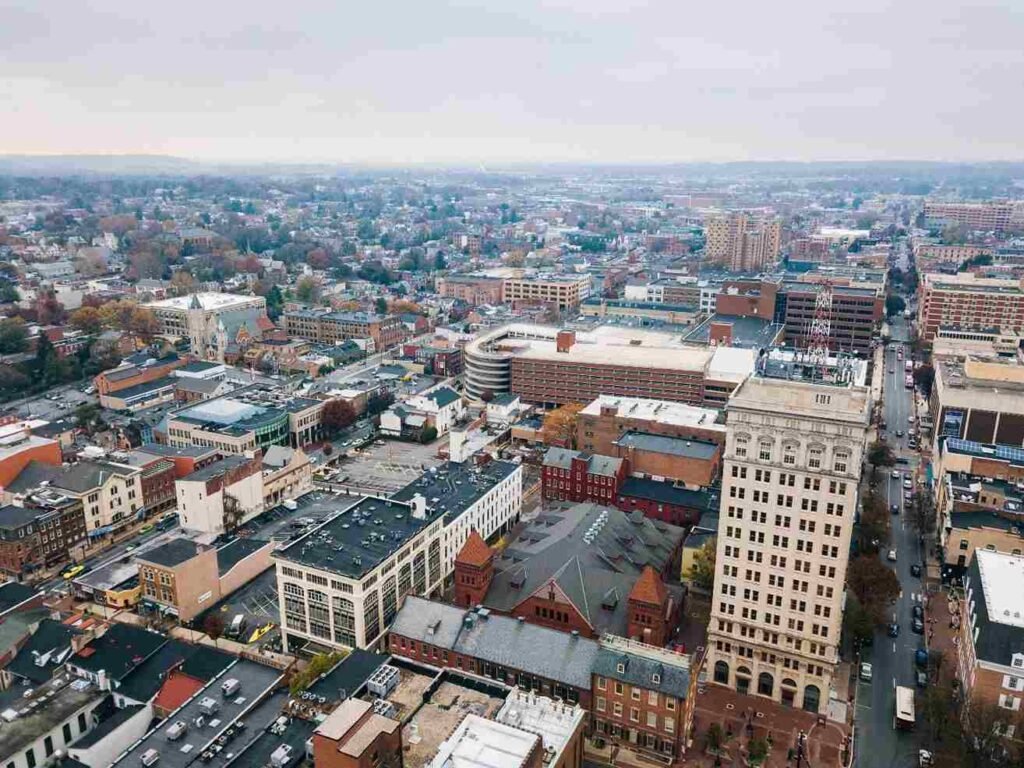
Lancaster County has seen a lot of change over the last decade. While Lancaster and Kershaw remain the county’s traditional hubs, areas like Indian Land have grown rapidly thanks to their closeness to Charlotte, North Carolina.
A large number of residents live in Lancaster County while commuting daily into the Charlotte metro area. That steady back-and-forth between South Carolina and North Carolina has turned Lancaster County into one of the fastest-growing areas in the region.
With that growth has come a consistent flow of criminal and traffic-related cases moving through local courts, law enforcement, and detention facilities throughout the year.
Local information for Kershaw arrests and detention.
Local information for Heath Springs arrests and detention.
Local information for Indian Land arrests and detention.
Local information for Van Wyck arrests and detention.
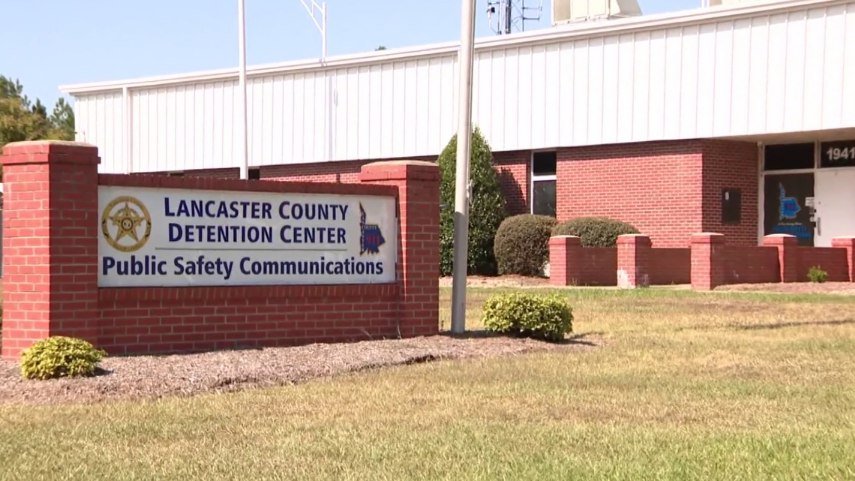
A lot of the calls we receive come from families who just found out someone was booked into the Lancaster County Detention Center.
This facility serves as the county’s primary detention center, processing arrests made by both local and county law enforcement agencies.
If someone you care about is currently being held there, reach out as soon as you can so we can go over your options and start the bond process.
Once someone is taken into custody, they’re usually brought to the local detention facility for processing. After booking is finished, a judge or magistrate decides whether bond is available and sets any conditions that apply.
The individual is processed and logged into the detention system.
A judge or magistrate determines the bond amount along with any conditions for release.
We explain what's required and help you complete the necessary paperwork.
Once the bond has been accepted, the detention facility starts the release process.

The principles that guide every call, every case, and every family we help — no matter the hour.
 Posted on Google
 Elizabeth Asay
Trustindex verifies that the original source of the review is Google.
He was absolutely amazing, and fast! HE TAKES JAIL PAYMENTS TOO, so don’t think just because your money is on your jail card he’s not coming! The jail will write him a check with the funds from your card. Truly 24/7 hours and went out of his way to help get the bond done all while keeping the updated the entire time!Posted on Google Danielle HudsonEverything was easy and smoothPosted on Google
 Greg HollifieldCouldn’t have been any better and quicker and Ron was more than helpful and went above and beyond to get my girl back home with me. I would refer them to anyone I know without thinking twice. Another big thanks to Ron for everything!!Posted on Google
 Shonda HannszRon is on it! Excellent customer service! There's lots of Bond companies to choose from, I highly recommend Clear Path.Posted on Google
 Mark SampsonThey were extremely helpful, and humane. Great Service here for sure 👏 👍🏾Posted on Google
 Kristin BakerWas absolutely super helpful and went far out of his way to help me and I'm in another state!! He even called in a favor to other bondsmen in the area and tried to help me out . Thank you so much!!! It was my pleasure to work with you !!!Posted on Google
 henny brameGreat service

Once bond has been set by a judge or magistrate, reach out to our team and we'll help complete the paperwork and post the bond to start the release process.
Most individuals arrested in the county are booked into the Lancaster County Detention Center.
It varies depending on the facility's staffing and how many cases they're currently processing.
In many cases, yes — a good deal of the process can be handled without needing to come in person.
Yes, we assist families throughout Indian Land and the rest of Lancaster County.
No. We're not attorneys, and we don't provide legal advice. For questions about your legal rights or a specific case, please consult a qualified attorney.
Stay updated with the latest legal news, tips, and Justiq announcements.

Clear Path Bail Bonds offers fast, confidential, and affordable 24/7 bail bond services across South Carolina, helping bring your loved ones home quickly when it matters most.
Copyright © 2026. All Rights Reserved. Clear Path Bail Bonds | Website Design and Development by ArtistryAds