
If someone you care about was arrested for domestic violence in South Carolina, you may be trying to understand where they are, whether bond has been set, and what needs to happen before they can be released.
The court—not the bondsman—decides whether bond is available, the amount, and any conditions of release. Once an eligible surety bond has been set, Clear Path Bail Bonds can review the available information, complete paperwork remotely, and explain what may be needed next.


Confirm the detention facility and whether the person has completed booking.
South Carolina has different domestic violence charge classifications. The exact charge can affect which court handles the case and how bond is considered.
If no bond amount or type is available yet, the person may still be waiting for a bond hearing or other court action.
The person is taken into custody and the arresting agency records identifying information and charges.
The detention facility enters the person's information into the system. Public records may not appear immediately.
The court considers whether release is appropriate, the bond amount, and possible conditions of release.
The court determines the bond amount, type, and any conditions that must be followed after release.
Clear Path can review the bond information, complete paperwork remotely, and submit an approved surety bond when eligible.
The detention facility verifies charges, holds, conditions, and completes its own release procedures.
The person is released after the facility confirms all requirements have been met. Release does not end the case.

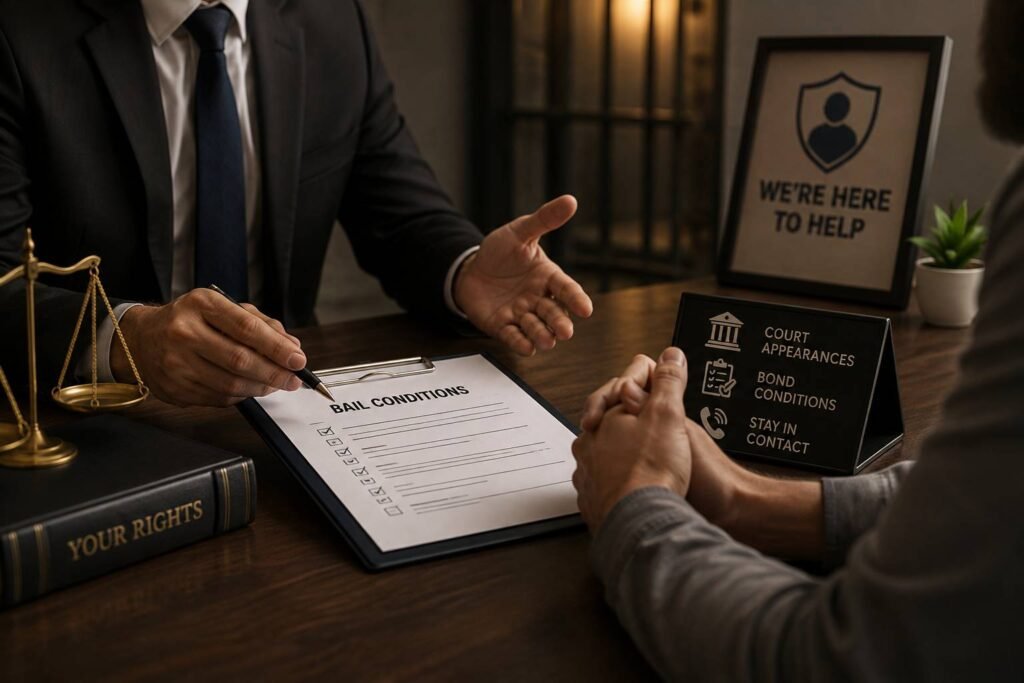
South Carolina courts consider release under the state’s bail laws. The court may consider the charge, criminal record, pending charges, and incident report.
The court may also consider whether the person is already on bond, the risk of failing to appear, and whether release could create an unreasonable danger to another person or the community.
The 24-hour requirement applies to the bond hearing. It does not mean the person will be released within 24 hours.
Understanding who is responsible for each part of the process helps prevent confusion.
1. Bond availability
2. Bond amount
3. Release conditions
1. Bond information review
2. Paperwork
3. Eligible surety bond submission
1. Custody
2. Facility processing
3. Final release
South Carolina law recognizes several levels of domestic violence charges. They are not interchangeable. The charge can affect court jurisdiction, bond consideration, and the conditions that may apply.
Third Degree is a misdemeanor under South Carolina law. A misdemeanor charge that may involve different court procedures than higher-degree charges.
Second Degree is also a misdemeanor, but the statute applies additional circumstances beyond those required for Third Degree. A misdemeanor with additional statutory circumstances that may affect bond consideration.
First Degree is a felony and involves circumstances identified in South Carolina's domestic violence statute. A felony classification that may involve different bond procedures and court requirements.
DVHAN is a felony and is the most serious domestic violence classification addressed in Chapter 25. The most serious domestic violence classification, which may affect bond type and court jurisdiction.
The court may decide:
South Carolina law allows courts to consider factors such as the nature of the charge, criminal history, pending charges, prior failures to appear, existing bonds, and safety concerns.
In certain domestic-violence cases, the court may also consider a history of violence, mental health, prior violations of court orders, and whether the person may pose a threat to someone else.
A bail bond company cannot change these decisions.
The amount ordered by the court.
The charge for using a licensed bail bond company.
The court determines the amount based on the charge and the circumstances considered at the bond hearing.
The principles that guide every call, every case, and every family we help — no matter the hour.
A court order may restrict communication or contact. A no-contact restriction may be part of the court’s release conditions, and the written order controls what the person must follow.
A no-contact restriction is separate from the bond amount itself. Violating a court-ordered restriction may result in additional legal consequences.
Helpful information to have on hand when you call.

The facility may need to verify charges and holds, confirm court-ordered release conditions, complete paperwork, or coordinate electronic monitoring when required.
Release does not end the criminal case. The person must continue to follow the court’s conditions and attend required court appearances.
Start by understanding booking, the bond hearing, and what generally happens before release.
Learn who determines bond and what information the court may consider.
Learn why release may include court-ordered restrictions.
Understand what a court-ordered contact restriction means.
Understand why the exact domestic violence charge matters.
Understand what responsibilities continue after release.
Trustindex verifies that the original source of the review is Google. He was absolutely amazing, and fast! HE TAKES JAIL PAYMENTS TOO, so don’t think just because your money is on your jail card he’s not coming! The jail will write him a check with the funds from your card. Truly 24/7 hours and went out of his way to help get the bond done all while keeping the updated the entire time!Posted on GoogleTrustindex verifies that the original source of the review is Google. Everything was easy and smoothPosted on GoogleTrustindex verifies that the original source of the review is Google. Couldn’t have been any better and quicker and Ron was more than helpful and went above and beyond to get my girl back home with me. I would refer them to anyone I know without thinking twice. Another big thanks to Ron for everything!!Posted on GoogleTrustindex verifies that the original source of the review is Google. Ron is on it! Excellent customer service! There's lots of Bond companies to choose from, I highly recommend Clear Path.Posted on GoogleTrustindex verifies that the original source of the review is Google. They were extremely helpful, and humane. Great Service here for sure 👏 👍🏾Posted on GoogleTrustindex verifies that the original source of the review is Google. Was absolutely super helpful and went far out of his way to help me and I'm in another state!! He even called in a favor to other bondsmen in the area and tried to help me out . Thank you so much!!! It was my pleasure to work with you !!!Posted on GoogleTrustindex verifies that the original source of the review is Google. Great service

Stay updated with the latest legal news, tips, and Justiq announcements.

Clear Path Bail Bond offers fast, confidential, and affordable 24/7 bail bond services across South Carolina, helping bring your loved ones home quickly when it matters most.
Copyright © 2026. All Rights Reserved. Clear Path Bail Bonds | Website Design and Development by ArtistryAds.